40 Acre Ranch, Backing State Land
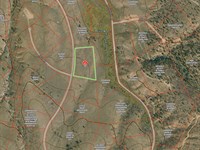
16371 E Black Bird Rd : Wikieup, AZ 85360
Mohave County, Arizona
Farm Description
seamlessly with sheep or goats while providing enthusiastic defense against threats.
Physical infrastructure helps too: night pens with predator-proof fencing keep valuable animals secure during darkness when most predation occurs, carcass disposal following biosecurity protocols prevents attracting predators, and security lighting around livestock facilities deters nocturnal predators uncomfortable in illuminated areas.
Hay Production and Feed Costs: While 40 acres won't produce sufficient hay to entirely feed a cattle herd year-round, you can establish productive hay fields on suitable portions of the property. Even 5-10 acres of irrigated pasture can produce multiple cuttings of alfalfa or grass hay annually, providing significant portions of your livestock's feed needs while improving soil health and providing backup grazing during winter.
Hay production requires reliable water for irrigation, proper land leveling and field preparation, and equipment for mowing, raking, and baling (which can be hired from custom operators if you don't own equipment). The investment and labor are substantial, but producing your own hay provides enormous satisfaction and reduces vulnerability to volatile hay markets where prices swing wildly based on drought conditions and regional supply.
For feed you don't produce yourself, Kingman has multiple feed stores and farm supply outlets stocking hay, grain, minerals, and supplements. Buying hay by the semi-load direct from producers saves money compared to small-lot retail purchases-many ranchers coordinate bulk hay purchases with neighbors, splitting delivery costs. Budget $150-$250 monthly per horse for feed depending on hay prices and supplemental grain needs; cattle on good pasture require less supplemental feeding except during winter months.
---
Building Your Off-Grid Ranch Homestead
Home Construction Options: Agricultural Residential zoning welcomes any residential structure meeting basic safety standards. You could build a traditional site-built home using stick-frame or alternative methods like straw bale, rammed earth, or concrete, install manufactured housing-modern manufactured homes look nothing like old "mobile homes" and offer excellent value, place modular homes constructed in sections in factories then assembled on-site, build timber frame or log homes creating classic ranch character, or construct pole barn homes combining workshop/storage with living quarters in one structure.
With no minimum square footage requirements, you're free to build the size home matching your needs and budget. Many ranchers prioritize functional buildings over large houses-a comfortable 1,200 sq ft home with excellent workshop and barn facilities beats a 3,000 sq ft house with inadequate outbuildings. Your priorities guide decisions rather than HOA architectural committees or zoning minimums.
Alternative building methods particularly suit off-grid ranching. Straw bale construction provides superb insulation reducing heating and cooling energy needs while using affordable agricultural byproducts. Rammed earth or adobe construction creates incredible thermal mass, maintaining comfortable interior temperatures with minimal mechanical heating or cooling. Pole barn construction, using pressure-treated posts set in ground supporting roof and walls, offers incredibly economical structures-many ranchers build large pole barns housing workshops, storage, and living quarters for under $50,000 including materials and owner labor.
Ranch Outbuilding Requirements: Successful ranching demands adequate outbuildings protecting livestock, equipment, and supplies. Basic facilities include barn with enclosed stalls and storage areas, hay barn storing 6-12 months' supply protected from weather, workshop for equipment maintenance and repair projects, machinery shed protecting tractors, trailers, and implements, corral systems with working chute and loading facilities, chicken coop and poultry facilities if raising birds, tack room storing saddles, harness, and horse gear, and feed storage protecting grain and supplements from weather and pests.
These structures can be built incrementally, starting with essential facilities and adding buildings as your operation grows. Many ranchers prioritize livestock facilities over human housing-living in a modest RV or small cabin while building top-quality barns and corrals, then constructing their dream home later. This approach makes sense: livestock absolutely require proper facilities, while humans are remarkably adaptable to simple shelter.
Pole barn construction offers the most affordable option for large structures. A 40x60 foot pole barn (2,400 sq ft) can be owner-built with basic skills for $15,000-$25,000 in materials depending on roof choice, siding quality, and whether you add electrical or plumbing. Many ranchers build multiple pole barns dedicated to different functions rather than one massive structure-this specialization improves workflow and fire safety since a single fire won't destroy everything.
Off-Grid Infrastructure Systems: Developing complete off-grid infrastructure means establishing independent systems for every utility urban properties receive through centralized networks:
Solar Electric System: 5-8 kW array with 10-15 kWh battery storage ($18,000-$28,000 installed) powers household needs, well pump, and workshop. Backup propane generator covers rare extended cloudy periods.
Water System: Well feet deep, $10,000-$17,500) with storage tank and solar-powered pumping distributes water to house, livestock tanks, and gardens. Consider rainwater catchment supplementing well water.
Septic System: Standard septic tank and leach field ($6,000-$10,000 installed) handles household wastewater. Alternative composting toilets reduce water consumption and provide garden fertilizer.
Propane: 500-1,000 gallon tank ($1,500-$3,000) supplies propane for cooking, backup heat, and hot water. Refilled 1-2 times annually by delivery service.
Heating/Cooling: Passive solar design, wood stove or propane heater for winter, natural ventilation and evaporative cooling for summer. At this elevation, many off-gridders skip air conditioning entirely, relying on elevation's natural cooling.
Communications: Starlink satellite internet ($600 equipment, $110-$120 monthly) provides high-speed internet for remote work, streaming, and communications. Cellular boosters improve phone service.
Refrigeration: High-efficiency DC refrigerators designed for off-grid use consume minimal power, allowing solar systems to easily handle refrigeration and freezing needs critical for ranching.
Total infrastructure investment including well, septic, solar, propane, and basic systems typically runs $40,000-$60,000-Substantial but comparable to utility connection fees and deposits in many developing suburban areas, with the enormous advantage that you then own your infrastructure outright with no monthly utility bills forever.
---
Windmill Ranch Poa - Understanding The Benefits
The Poa's Mission and Value: The Windmill Mountain Ranches Property Owners Association operates with a focused mission: maintain the community's road network ensuring year-round access for all property owners. That's it-no swimming pools, no clubhouses, no unnecessary amenities driving up costs. Just essential road maintenance that every property owner benefits from directly.
According to POA meeting minutes, the association invested in purchasing road-grading equipment after the previous contractor retired. This forward-thinking decision provides long-term cost control-owning equipment means the POA isn't vulnerable to contractor price increases or availability issues. They've also installed water tanks at Bull Spring property for road maintenance, using water to control dust and improve grading effectiveness.
The Poa's annual budget shows responsible financial management: Road maintenance and improvements consume the largest portion, equipment and supplies support maintenance activities, insurance protects the organization, and administrative costs stay minimal with volunteer officers. The POA maintains healthy reserves (over $179,000 as of February 2025) providing cushion for major repairs or equipment replacement without special assessments.
Why Low POA Fees Benefit You: At $230 annually (approximately $19.17 monthly), the POA assessment is remarkably reasonable for the value received. Consider the alternatives: If the POA didn't exist, property owners would face three scenarios. The county might take over roads, but county maintenance typically focuses on main corridors while neglecting secondary roads-you'd likely see degraded access and infrequent grading. Property owners might form road maintenance agreements among immediate neighbors, but coordinating multiple property owners for cost-sharing and scheduling is notoriously difficult and contentious. Individual property owners might maintain only their immediate access, creating patchwork quality where some sections are passable while others deteriorate into impassable ruts requiring 4WD even in good weather.
The POA solution provides consistent, predictable road maintenance across the entire ranch at costs far below what individual maintenance or county services would deliver. Meeting minutes show active discussion about balancing maintenance quality with cost control-the organization understands members want good roads without excessive fees.
Understanding Realistic Road Expectations: Ranch roads differ fundamentally from paved suburban streets, and understanding these differences prevents unrealistic expectations. These are dirt roads maintained by periodic grading, water application, and occasional material addition. They will not remain perfectly smooth year-round-weather, traffic, and time inevitably create washboarding, ruts, and rough sections between maintenance cycles.
Meeting minutes candidly discuss these challenges: heavy traffic causes washboarding within weeks of grading, dry conditions turn roads into powder requiring digging out and replacing with moistened material, and rocks push up through road surfaces after years of grading wearing down material. The POA addresses these issues through strategic planning-purchasing water tanks for dust control and moisture application, acquiring their own grader ensuring equipment availability, and focusing maintenance on high-traffic roads while less-used roads receive periodic attention.
For property owners, this means accepting that access conditions vary seasonally and that high-clearance vehicles or 4WD may be advisable during or immediately after storms. It also means slowing down on ranch roads-driving 25-30 mph rather than 45-50 mph dramatically reduces road wear and personal risk on blind corners and rough sections.
Community Spirit and Shared Resources: Beyond road maintenance, the POA represents community infrastructure bringing property owners together for mutual benefit. Meeting minutes show neighbors thanking volunteer officers for their time, discussing ways to improve services, and working through challenges collaboratively rather than contentiously.
The POA maintains a website with meeting minutes, contact information, and community resources. Meetings provide opportunities for property owners to voice concerns, propose improvements, and connect with neighbors. While attendance is optional and many owners never attend meetings, the infrastructure exists for those who want involvement.
This community spirit manifests in practical ways: neighbors help recover stuck vehicles, share information about road conditions or weather, lend tools or equipment for projects, and watch each other's properties during absences. The POA structure facilitates these connections while maintaining the privacy and independence that attracted people to ranch property originally.
---
Recreation And Wilderness Access
Horseback Riding into Backcountry: For equestrians, your property's direct state land access creates the ultimate riding scenario-saddle up at your barn and ride directly into wilderness covering thousands of acres. No trailer loading, no driving to trailheads, no dealing with crowds at popular riding areas. Just open your gate and go.
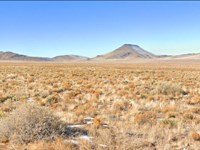
The terrain offers varied riding experiences. Flat desert valleys allow long-trot or cantering for conditioning horses and covering distance quickly. Rocky washes and hillsides provide technical riding challenging both horse and rider. Juniper and pinyon forests offer shade during summer rides while creating maze-like paths through trees. Old mining roads and cattle trails crisscross the landscape, providing navigation routes while exploring.
Multi-day pack trips become possible with this kind of access. Load camping gear on pack horses, ride 10-15 miles into remote areas, establish base camp, then explore from there for several days before returning. The solitude and wilderness experience rivals anything in designated wilderness areas, yet you're riding from private property you own.
For endurance riding enthusiasts, the varied terrain and elevation changes provide excellent training ground. Many endurance riders trailer to competitions from private properties where they condition horses on similar terrain, giving them competitive advantages over riders who train in flat, uniform environments.
ATV and Off-Road Vehicle Adventures: Dirt bikes, ATVs, side-by-sides, and other off-road vehicles can explore the same terrain horseback riders access. From your property, ride onto adjacent state lands and public roads network connecting to hundreds of thousands of additional acres. Old mining roads, two-track trails, and wash bottoms create natural routes ranging from easy cruising to technical challenges requiring skill and properly equipped vehicles.
The freedom to ride from your property eliminates the hassle of trailering to designated OHV areas, paying use fees, and dealing with crowds. On weekdays or off-season periods, you might ride for hours without seeing another soul-pure solitude and adventure right from your back gate.
Many ranch property owners use ATVs or UTVs as essential tools for property management: checking fences and livestock in distant corners, hauling supplies and materials to project sites, accessing water systems and wildlife developments, and providing quick transportation across 40 acres without firing up a truck.
Hunting GMU 18A from Private Access: Having private land providing legal access into Game Management Unit 18A represents substantial value for hunters. Many prime hunting units suffer from crowded public access points where dozens of hunters compete for the same animals on opening day. Here, you have exclusive access from your property into adjacent state lands that see minimal hunting pressure simply because few people can legally reach them.
Mule deer hunting in Unit 18A occurs during archery season (August-September), early rifle season (October), and late rifle season (November-December) depending on tag availability and draw results. Scout year-round from your property, watching deer patterns and identifying trophy bucks before season opens. When hunting time arrives, you're positioned perfectly to intercept deer movements rather than hiking blindly through unfamiliar terrain hoping to stumble upon game.
Elk hunting requires more specialized knowledge since elk aren't resident in the area but move through seasonally. However, having the ability to hunt multiple days when elk are present-rather than committing to preset vacation dates months in advance-dramatically improves success odds. You can respond to elk reports, scout fresh sign, and hunt when conditions are right.
Javelina hunts during spring provide exciting spot-and-stalk opportunities. Glassing from high points on your property, you can locate javelina herds, plan stalking approaches, and pursue animals across varied terrain. Javelina hunting teaches valuable skills applicable to all hunting: reading terrain, moving quietly, judging distance, and making accurate shots. Plus the meat is delicious despite some hunters' misconceptions.
Wildlife Viewing and Photography: Even non-hunters appreciate abundant wildlife making home on and around your property. Mule deer, pronghorn antelope, javelina, coyotes, foxes, bobcats, and occasionally elk visit or cross the property regularly. Bird species include raptors (hawks, eagles, owls), quail, doves, and seasonal migrants. Smaller mammals from jackrabbits to ground squirrels provide constant activity and interest.
Set up game cameras at strategic locations to document wildlife using your property. You'll be amazed by the variety visiting water sources, traveling washes, or crossing ridgelines. Many property owners become amateur naturalists, learning to identify tracks, interpret sign, and predict wildlife movements by understanding habitat requirements and seasonal patterns.
Wildlife photography in Arizona's high desert can produce stunning images. The clean light, dramatic landscapes, and charismatic species create perfect conditions. Patience is key-establish water sources or feeding stations (where legal), build blinds or hides, and wait for subjects to appear. Unlike wildlife parks where animals ignore humans, wild animals require skill and dedication to photograph successfully, making successful images deeply satisfying.
---
Market Analysis And Investment Perspective
Comparable Sales and Market Position: Recent sales data from nearby Windmill Ranch and surrounding areas shows remarkable value in your property's pricing. A 40-acre parcel sold for $65,000 in September 2024-Over $1,600 per acre. Another 40-acre property sold for $30,000 in October 2024 ($750/Acre). A 35.32-Acre parcel brought $30,000 in February 2025 ($850/Acre). Additional sales in the 28-42 acre range varied from $376 to $1,625 per acre depending on specific locations, access quality, and terrain features.
Your property at $39,999 for 40 acres equals $999.98 per acre-right in the middle of recent comparable sales. However, your specific advantages (direct state land access, varied terrain, established community with maintained roads, excellent building sites) potentially position it at the higher end of market value relative to those comparables lacking such features.
This pricing creates immediate equity cushion. Even if the market stays flat, your purchase price sits comfortably within established value ranges. If you invest in infrastructure (well, fencing, buildings), you create substantial additional value while improving functionality for your use.
Growth Trends in Rural Arizona: Arizona consistently ranks among America's fastest-growing states, and while Phoenix metro captures headlines, rural areas benefit from spillover growth as buyers seek affordability and space. Mohave County's population has grown steadily-from roughly 155,000 in 2000 to over 215,000 today despite minimal job growth-driven by retirees, remote workers, and families priced out of urban areas.
The trend accelerated during and after Covid-19 as remote work normalized and people questioned the value of urban living with its costs, congestion, and conflicts. Many discovered they could work from anywhere with internet access, choosing places offering outdoor recreation, space, and affordability over expensive urban or suburban boxes.
This growth supports land values by increasing demand for limited private acreage supply. With 70% of Mohave County in permanent federal ownership, private land scarcity creates upward price pressure as population increases. Your 40 acres represent real, scarce private land in a county where most territory can never be privately owned.
Infrastructure Corridor Positioning: US Highway 93's upgrade to Interstate 11 standards represents billions in federal and state infrastructure investment connecting Phoenix to Las Vegas. While your property doesn't sit directly on Us-93, the improved transportation corridor benefits the entire region by reducing travel times, improving emergency response, and supporting economic activity.
Properties positioned along growth corridors tend to appreciate faster than remote areas far from transportation infrastructure. You benefit from corridor proximity without suffering corridor negatives like traffic noise and visual pollution-the best of both worlds.
Legacy Asset and Intergenerational Wealth: Beyond financial returns, land represents tangible legacy assets passing to future generations. Unlike financial investments that can evaporate through market crashes or institutional failures, land persists. Short of government seizure (exceedingly rare and requiring just compensation), your ownership is permanent and secure as long as taxes are paid.
For families, ranch property creates gathering places and shared experiences impossible in urban settings. Children and grandchildren learn ranching skills, develop relationships with animals and land, and carry forward values of self-reliance and stewardship. These intangible benefits may outweigh purely financial considerations for many buyers.
---
Seasonal Living And Conclusion
Spring's Renewal and Rebirth: March through May brings the desert alive with wildflowers painting hillsides in gold, purple, and orange following good winter rains. Grasses green up, cattle fatten on fresh forage, and wildlife activity peaks as animals emerge from winter lethargy. Spring is the season for major ranch projects: building fences, planting gardens, repairing winter weather damage, and preparing facilities for coming summer heat. Temperatures in the 60s and 70s make outdoor work pleasant rather than grueling.
Summer Monsoons and Dramatic Skies: June's building heat gives way to July-September monsoons transforming weather patterns. Afternoon thunderstorms roll across mountains, releasing brief intense downpours that flood washes, fill stock tanks, and green the landscape seemingly overnight. These storms are the highlight of the ranch year-after months of dry conditions, rain's arrival brings relief, excitement, and renewed vitality. Lightning displays create spectacular photography opportunities, and the desert's petrichor scent after rains is intoxicating.
Autumn's Perfection and Harvest: September through November offers Arizona's finest weather. Monsoons taper off, temperatures moderate into comfortable 70s and 80s, and the quality of light improves as sun angle lowers. Fall is when hunting seasons open, providing recreation and potentially filling the freezer with organic meat from your own efforts. Ranch work continues comfortably without summer's heat or winter's occasional chill.
Winter's Mild Respite and Planning: December through February brings gentle winter-frost on mornings, occasional light snow creating beautiful scenes that melt by afternoon, and generally mild weather allowing continued outdoor work most days. Winter is when ranchers plan the coming year: ordering supplies, researching breeds and techniques, preparing equipment, and tackling indoor projects like shop organization or bookkeeping. While not the busy season, winter remains productive and pleasant.
Your Invitation to Ranch Freedom: This 40-acre property represents far more than real estate-it's an invitation to authentic Western lifestyle embracing self-reliance, outdoor work, and connection to land and animals. Whether you're an experienced rancher seeking additional acreage, a horse owner tired of boarding fees and restrictions, a beginning farmer ready to start your operation, or a family seeking space and independence from urban systems, this property offers the canvas for building your vision.
At $39,999 with owner financing requiring just $1,499 down and $555.47 monthly (including all fees and taxes), the barrier to ownership is remarkably low. For less than many families pay renting 2-bedroom apartments, you can own 40 acres outright in ten years while using the property throughout the payment period. Compare that to suburban mortgages requiring $50,000+ down payments and $2,000+ monthly for houses on quarter-acre lots with HOA restrictions.
The opportunity is real: established community with maintained roads, direct wilderness access, hunting and recreation from your property, sufficient scale for meaningful ranch operations, excellent building sites with mountain views, and freedom from restrictions allowing you to develop and use the property as you envision. The climate is comfortable year-round, infrastructure needs are manageable, and the location balances accessibility with isolation.
This is your chance to claim a piece of Arizona's ranching heritage, to build something lasting with your own hands, and to prove that independent living isn't just nostalgic fantasy but practical reality for those willing to embrace it. Stop dreaming about someday owning land and take the step making it happen. This property is ready, the price is fair, and your ranch future starts with one decision-to act rather than postpone.
Contact us today to secure your 40-acre Arizona ranch and begin writing your own chapter in the story of Western land ownership. The mountains, wildlife, and wide-open spaces are waiting.
---
Directions To Property
From Phoenix, AZ to Windmill Ranch - Parcel 125:
Total Distance: Approximately 145 miles
Estimated Driving Time: 2 hours 45 minutes
Difficulty: Easy highway driving, final 15 miles on maintained dirt ranch roads
HIGHWAY Segment (Phoenix to Windmill Ranch Entrance):
1. Leave Phoenix on Us-60 West (Arizona State Route 60)
- From central Phoenix, take I-10 West to the Us-60 West exit
- Follow Us-60 West toward Wickenburg
- Continue through Surprise and Sun City suburbs
- Stay on Us-60 West for approximately 55 miles
2. Enter Wickenburg (mile 55)
- Continue straight through Wickenburg's historic downtown
- Follow signs for Kingman / Las Vegas
- Us-60 West becomes a scenic two-lane highway beyond Wickenburg
3. Merge onto Us-93 North (Wickenburg north junction)
- At Wickenburg's north end (mile marker area), merge onto Us-93 North
- This is the main Phoenix-to-Las Vegas corridor
- Stay on Us-93 North for approximately 60 miles through open desert country
- Watch for milepost markers as you approach Wikieup area
4. Locate Windmill Ranch Entrance - Clove Hitch Road (approximately mile 115)
- Look for Clove Hitch Road on the East (right) side of Us-93
- This entrance appears before you reach main Wikieup area
- Clove Hitch Road is the primary access into Windmill Ranch Phase 2
- GPS Coordinates for turn: Approximately 34.75°N, -113.55°W
- Important: There may be ranch entrance signage or cattle guards indicating private road network
5. Turn Right (East) onto Clove Hitch Road
- This maintained dirt road enters Windmill Ranch community
- Road surface is graded dirt-suitable for 2WD vehicles in dry conditions
- High-clearance vehicle or 4WD recommended during/after heavy rains
RANCH Roads Segment (Windmill Ranch Interior to Parcel 125):
6. Continue East on Clove Hitch Road into Ranch Interior (approximately 2-3 miles)
- Follow Clove Hitch Road as it winds east and slightly south
- You'll pass scattered ranch properties and juniper-dotted terrain
- Road reaches main interior junction where multiple ranch roads intersect
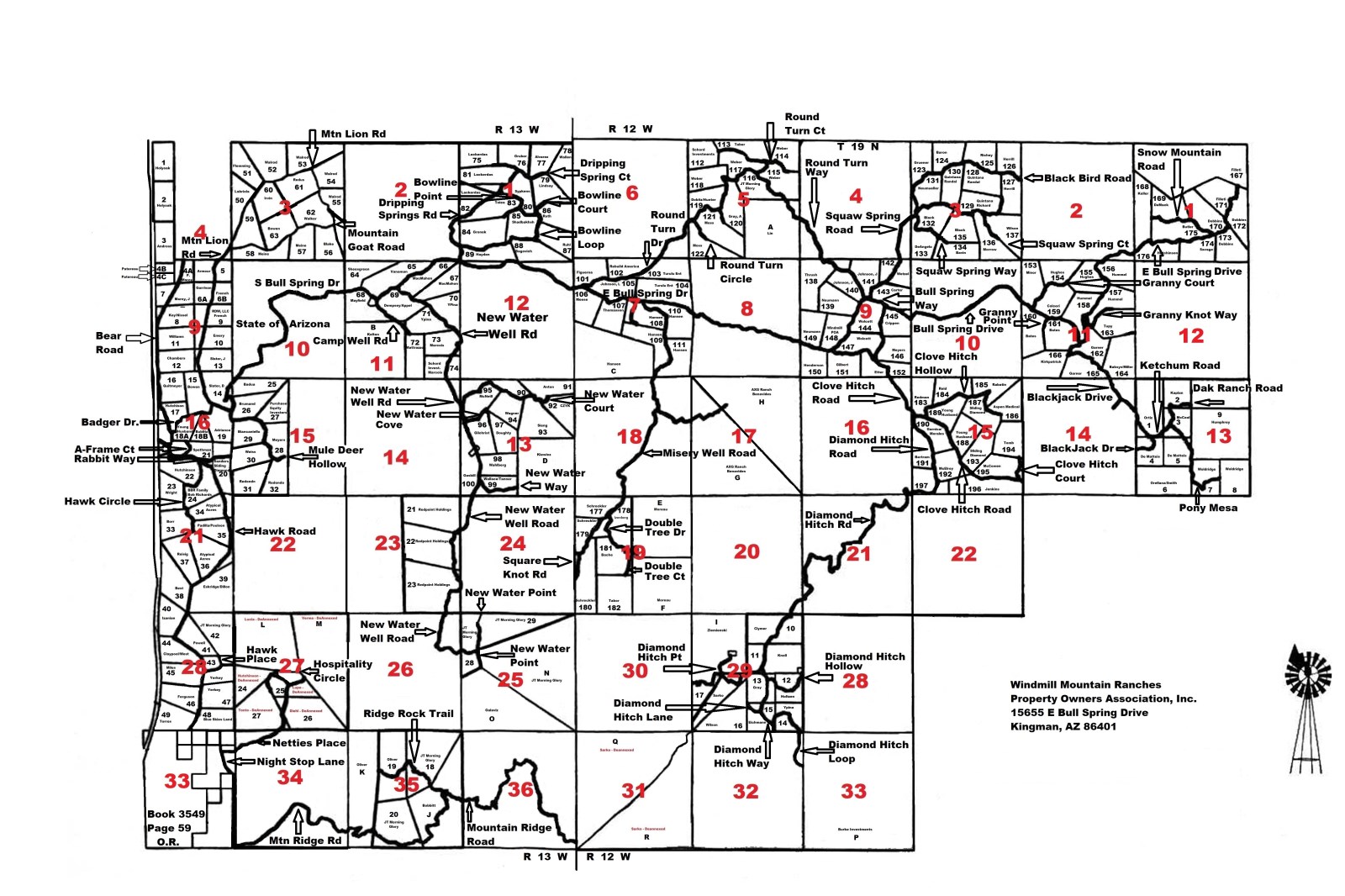
7. Arrive at Central Junction (E Bull Spring Drive intersection)
- This is the primary hub used on Windmill Ranch map
- Roads meeting at this junction:
- E Bull Spring Drive (heading northeast)
- Blackjack Drive (heading north)
- Clove Hitch Court (various directions)
- Windmill icon on ranch map marks approximately this location
8. From Central Junction: Take E Bull Spring Drive Northeast
- Bear right/northeast onto E Bull Spring Drive
- This road heads generally northeast through the ranch
9. Continue on E Bull Spring Drive to Blackjack Drive
- After short distance, E Bull Spring Drive curves
- Watch for Blackjack Drive intersection on your left (north)
10. Turn Left (North) onto Blackjack Drive
- This road heads north through central ranch area
- You'll pass ranch parcels numbered in the 140s-150s range
11. Continue North on Blackjack Drive to Bull Spring Drive Fork
- Blackjack Drive eventually reaches a fork
- You'll see Bull Spring Drive continuing north (stays right)
- Clove Hitch Court branches left (northwest)
12. Stay Right to Continue on Bull Spring Drive Heading North
- This is the main north-south spine road through eastern ranch sections
- Continue north past:
- Parcel numbers 147-150 (approximate)
- Squaw Spring Way entrance (continue straight, don't turn)
13. Watch for Black Bird Road Intersection (T-intersection)
- Bull Spring Drive ends at E Black Bird Road
- This is a T-intersection-you must turn left or right
14. Turn Right (East) onto E Black Bird Road
- This road heads east along the northern ranch boundary
- E Black Bird Road curves slightly as it runs east
15. Locate Parcel 125 on Black Bird Road
- Address: 16371 E Black Bird Road
- GPS Coordinates (Center): 35.064300, -113.535800
- Property is on the Right (south) side of E Black Bird Road
- Located between Parcels 124 (west) and 126 (east)
- Property boundaries should be visible-look for survey markers if present
Distance Summary:
- Phoenix to Wickenburg: 55 miles (1 hour)
- Wickenburg to Clove Hitch Road turn: 60 miles (1 hour 10 minutes)
- Clove Hitch Road to Property 125: approximately 6-8 miles (25-35 minutes on dirt roads)
- Total: 121-123 miles, approximately 2 hours 35-45 minutes depending on dirt road conditions
Road Conditions Notes:
- Us-60 and Us-93 are paved highways in good condition
- Clove Hitch Road and ranch interior roads are maintained dirt
- Conditions vary by season: smooth after grading, rougher between maintenance
- High-clearance vehicles or 4WD recommended but not always required
- Avoid ranch roads during/immediately after heavy rains when soft conditions may exist
- Drive slowly on dirt roads (20-30 mph) to reduce dust and washboarding
Navigation Tips:
- Cell service may be intermittent on ranch roads-download offline maps before leaving Phoenix
- Bring printed map or screenshot of Windmill Ranch map (included in listing)
- Ranch roads are generally well-traveled with visible tire tracks
- Ask neighbors if you encounter confusion-ranch community is friendly and helpful
- GPS coordinates work well for final property location once you're on E Black Bird Road
ALTERNATIVE Access (from Kingman, Az):
If approaching from Kingman instead of Phoenix:
- Take Us-93 South from Kingman (approximately 40 miles)
- Watch for Clove Hitch Road on the West (left) side of Us-93
- Follow same ranch road directions as above from Clove Hitch Road entrance
---
Information provided in this listing is deemed accurate and compiled from county records, POA documents, area knowledge, and field observations. However, all details should be independently verified by prospective buyers. Property boundaries, acreage, zoning regulations, and development possibilities should be confirmed with Mohave County Planning Department and professional surveying. This property is offered as-is with no warranties expressed or implied.
---
100-Day Satisfaction Guarantee
Purchase this property confidently knowing you have 100 full days to visit, evaluate, and confirm it meets your expectations. If you change your mind within 100 days of your down payment for any reason, contact us and we'll either refund your principal payment (excluding fees, closing costs, and taxes) or exchange for another Wild Domain Land property that better fits your needs.
This guarantee eliminates risk, allowing you to secure the property immediately while completing your due diligence. Any late or missed payments during the guarantee period automatically void the guarantee.
---
Ready To Start Your Ranch Adventure?
Contact us today using the information at the top of this page. We're here to answer questions, provide additional property information, and help you begin the simple purchase process. Your 40-acre Arizona ranch is waiting-let's make it yours.
Visit our website for additional photos, property details, and other available properties: Compass directions and distances are approximate. GPS coordinates provide precise property location. Always verify property boundaries through professional survey before development.
Farm Maps & Attachments
Directions to Farm
Driving Directions From Phoenix, AZ to Windmill Ranch Entrance & Property 125
1. Leave Phoenix on US-60 West
Take US-60 West toward Wickenburg.
Continue through Surprise and Sun City.
Stay on US-60 for approximately 55 miles.
2. Enter Wickenburg
Continue straight through town following signs for Kingman / Las Vegas.
3. Merge Onto US-93 North
At the north end of Wickenburg, merge onto US-93 North.
Remain on US-93 for approximately 60 miles.
Driving Directions into Windmill Ranch (Wikieup, AZ)
From US-93 Northbound (heading toward Kingman):
1. Pass Mile Marker 101
Shortly after Mile Marker 101, look for the Windmill Ranch entrance on the right.
• This road is officially named Badger Drive.
2. Turn Right onto Badger Drive
Stay left as the road splits.
You will pass:
• Dumpsters on the left
• Community mailboxes on both sides of the road
3. Continue Straight on Badger Drive
Follow Badger Drive downhill toward the wash.
• The wash is labeled Knights Creek (it becomes the Big Sandy further south).
• Important: Do not attempt to cross if water is flowing.
Cross the wash and continue until Badger Drive ends at a T-intersection.
4. Turn Left onto Bull Spring Drive
You are now on Bull Spring Drive, the main road through Windmill Ranch.
Most of your travel will be along this road.
5. Continue on Bull Spring Drive for ~6 Miles
Stay on Bull Spring as it winds through the ranch.
Landmarks:
• You will pass Clove Hitch Road on the right - do not turn here.
• Continue straight on Bull Spring Drive.
6. Watch for a Sharp Right Curve
In the middle of this right-hand bend, turn left onto Squaw Spring Road.
7. Turn Left Again onto Black Bird Road
Continue on Black Bird Road toward the property.